Community Impact

At NORR, community impact is a core pillar of our Corporate Social Responsibility program. We take a social value approach across everything we do, measured through community-focused design, volunteerism, and charitable giving that invests in the social wellbeing of the local and global communities we serve.
Design
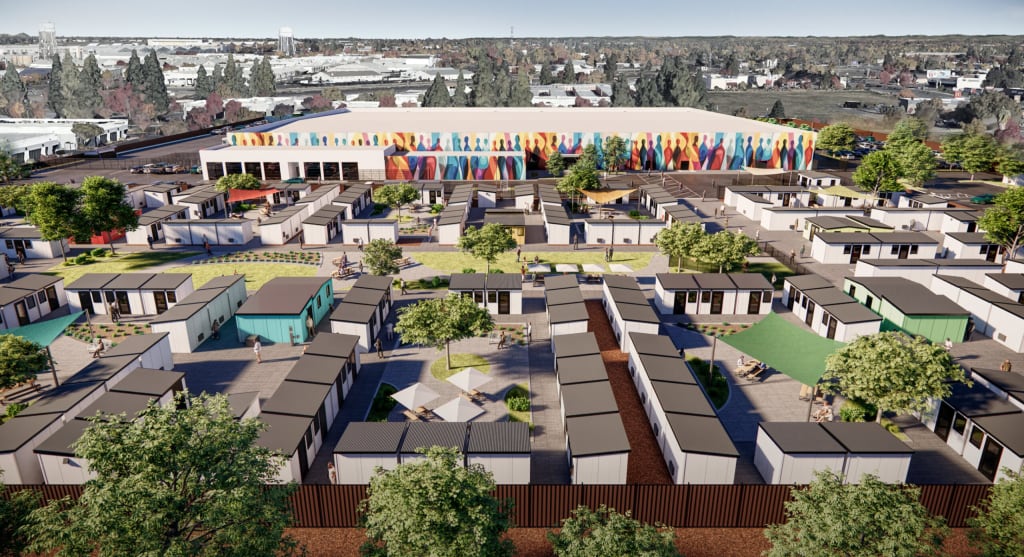
We understand our greatest contribution to local communities is community-focused design. Prioritizing Environmental, Social and Governance (ESG) principles in design promotes equity, sustainability, and accountability across the built environment, extending the impact of architecture beyond the building itself. As an example, the escalation of the housing crisis demands radical thinking that challenges traditional paradigms. We continuously partner with decision-makers to develop attainable housing strategies that drive longer-term solutions for progressive funding models, developer incentives, and policy changes.
We employ urban regeneration as a powerful strategy to transform neighborhoods and cities, a clear expression of community impact design in practice. Its value can be measured through economic growth as well as sustainable benefits for cities, owners, developers, and residents. This viable strategy is guided through urban planning, using zoning to combine multiple uses together to form 15-minute cities, walkable, inclusive neighborhoods where essential services are accessible within a 15-minute walk or bike ride.
As part of our commitment to building stronger, more inclusive communities, we volunteer time on review panels that promote responsible growth and long-range development planning.


Volunteerism and Charitable Giving
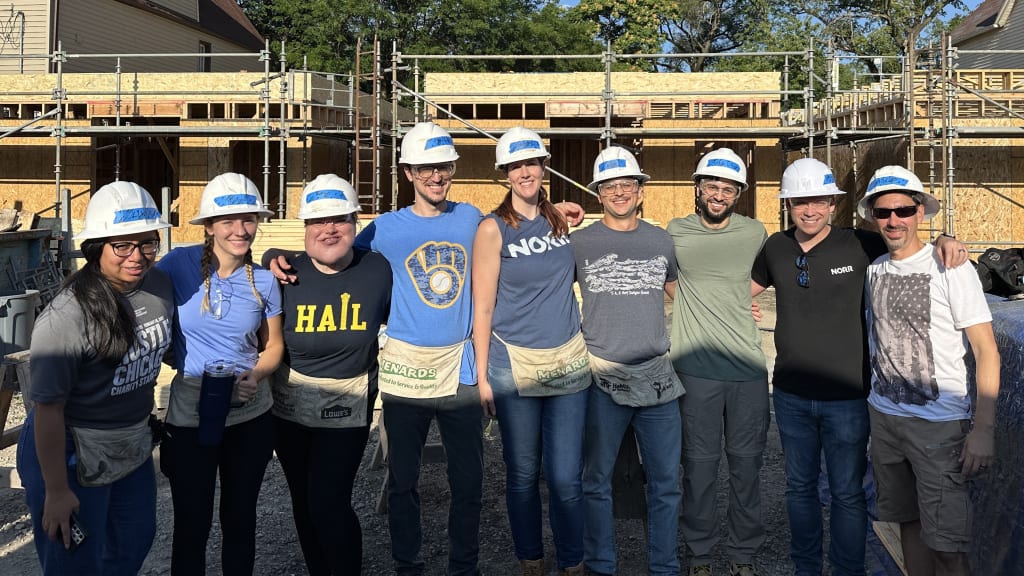
Our employees volunteer hundreds of hours to many important social causes and industry academic programs.
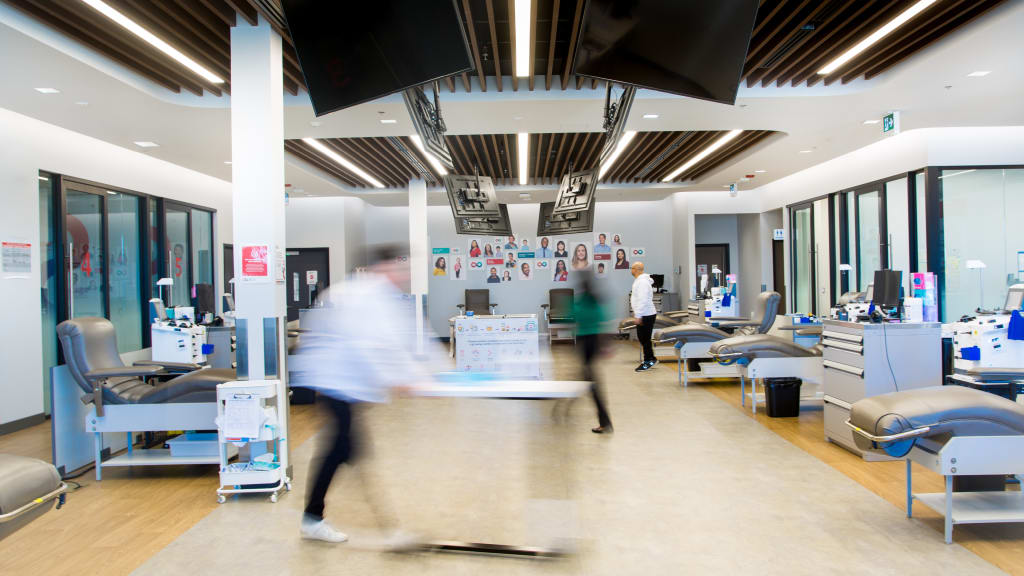
Our direct service volunteering programs focus on hands-on efforts that address immediate and tangible needs in the community. We participate in blood drives benefiting hospitals, disaster response efforts, and medical research. We also lead creative food drives, collecting non-perishable goods to help reduce food insecurity and assist low-income households.
Community-based fundraising activities are planned throughout the year to raise awareness and mobilize donations for specific causes, including breast cancer and brain cancer research, men’s health, and various shelters. These events combine physical activity, such as walking or biking, with the goal of uniting people, promoting healthy lifestyles, and providing direct financial assistance to nonprofits and underserved communities.
To foster human capital development, our team members are encouraged to take active roles in driving the future of the industry. Through leadership and service, they contribute to professional association boards, participate in academic advisory councils, and mentor students in education-focused programs. By sharing their knowledge, they influence curriculum, nurture emerging talent and strengthen the connection between education and practice.