Led by SRH Hospitality, the AC Hotel by Marriott Waco Downtown is a mixed-use redevelopment transforming an underutilized urban block in the heart of Waco, TX.
Challenge
Integrating a hotel, conference facilities, commercial space, and structured parking on a constrained urban site required a carefully coordinated planning approach. The project also needed to respond to increased demands from the City of Waco and Baylor University for additional conference and parking capacity to support local events and tourism.
Solution
As Master Planner and Lead Architect, our team organized the mixed-use program around the site perimeter to create a cohesive urban presence while establishing a private landscaped courtyard at its center. The development includes a 182-key AC Hotel, a conference center, commercial space, and a five-level parking structure. Inspired by the AC Hotel brand’s contemporary aesthetic, the design incorporates recessed and projected façades, while a four-story kinetic wall creates a dynamic landmark at the building’s main corner.
Outcome
The redevelopment contributes to the ongoing revitalization of downtown Waco by providing quality accommodations, expanded event space, and new gathering places for visitors and residents alike. Solar panels supplement the hotel’s electrical needs, while the efficient integration of multiple uses supports tourism, strengthens the local economy, and enhances community connectivity.

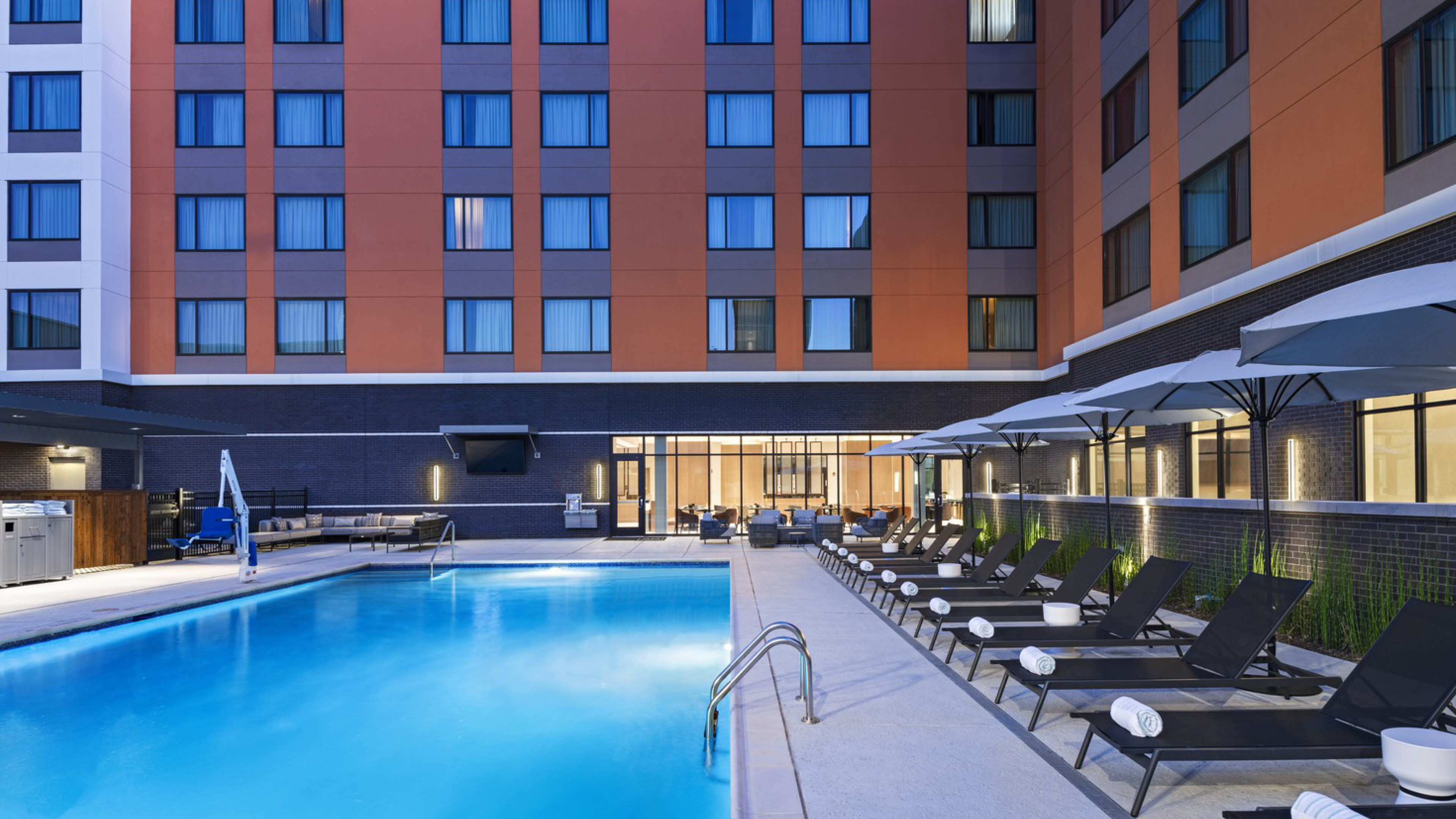
The site was planned to engage the buildings within the urban context, creating a strong street-facing presence while an intimate, landscaped courtyard houses the hotel’s outdoor amenities.
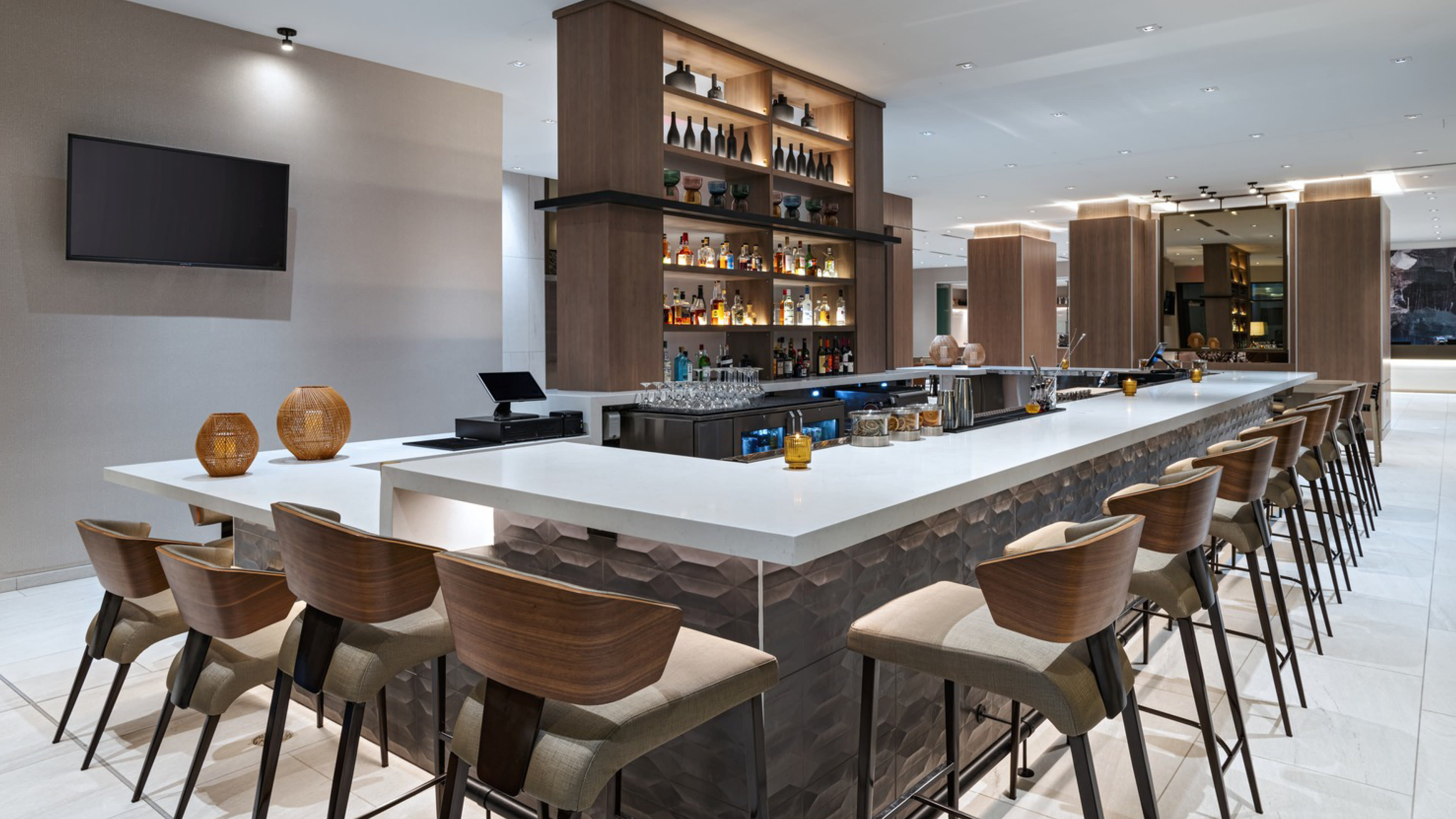

Intimate lounge settings offer a quieter retreat within the hotel environment

Comfortable seating and expansive glazing create an inviting destination
The AC Hotel by Marriott Waco Downtown is a significant redevelopment in the heart of Waco, TX. Owned and managed by commercial real estate company SRH Hospitality, the vision was to transform an underutilized urban block into a vibrant mixed-use destination. Located directly north of the popular tourist attraction Magnolia Market at the Silos, the project addresses the growing need for hotel accommodation in the area. The development features a 5-story, 182-key AC Hotel with 17,000-square-foot conference center space, a 2-story commercial building, and a 5-level parking garage with 332 spaces. The project scope expanded to include additional parking and conference space at the request of the City of Waco and Baylor University to meet the area’s high demand and support local events and tourism.
As the Master Planner and Lead Architect, the team brought extensive experience to unify the mixed program on the tight urban site. The site was planned to engage the buildings within the urban context, arranging all uses around the perimeter to create a cohesive and functional space. This arrangement provides an urban street-facing wall while creating an intimate, private landscaped courtyard housing the hotel’s outdoor amenities and a conference center breakout area.
The design inspiration was drawn from the AC Hotel brand’s contemporary and clean-line aesthetic. The team developed a contemporary exterior scheme, breaking up the long façade with recessed and projected bays of complementary materials to distinguish between the different uses. A key design feature is the 4-story kinetic wall at the building’s main corner, designed to attract attention and enliven the area with its dynamic, wind-activated metal flappers. On the roof, solar panels generate power to supplement the hotel’s electrical needs.
Injecting new energy into the area, the successful delivery of the hotel contributes to downtown Waco’s revitalization and provides quality accommodations for visitors. Through close collaboration with all stakeholders, the challenges of fitting multiple uses on a limited urban site were successfully addressed. The result is an efficient and harmonious arrangement that satisfies both the client’s and the city’s requirements. This redevelopment boosts local tourism, supports the economy and strengthens the sense of community by providing new spaces for locals and visitors to connect and enjoy.