
Developed by Rockefeller Group and PCCP, the Rockefeller Group Logistics Center on the Boulevard transforms a 50-acre brownfield site into a modern industrial hub in Northeast Philadelphia.
338,208 SF (31,420 SM) – Building 2
Challenge
The design needed to meet market demand while revitalizing the site for long-term growth. Flexibility was critical to accommodate a range of tenants, from logistics and advanced manufacturing to cold storage, within a visually distinctive and sustainable development.
Solution
Our design features buildings with 36-foot clear heights, deep structural bays, and dual drive-in and dock access. Thermal breaks within column footings simplify future cold-storage conversion, while high-performance lighting and electrical infrastructure support automation and robotics. A central boulevard entrance, illuminated façade panels, and landscaped buffers establish a strong identity while separating industrial operations from surrounding residential areas.
Outcome
Sustainability measures such as white TPO roofing and planting more than 1,500 trees reduce heat-island effects and re-green the site. As a flexible and responsive logistics center at the city’s northern gateway, the Logistics Center on the Boulevard contributes to regional economic growth and reinforces the city as a competitive hub for commerce and advanced industrial activity.

Located within a Keystone Opportunity Zone (KOZ) through 2033, the development supports long-term economic growth in Northeast Philadelphia
The development introduces two speculative industrial buildings totaling 656,904 square feet, providing flexible Class A space for logistics, manufacturing, and distribution users.

ESFR sprinkler systems, high-capacity electrical infrastructure, and thermal breaks within column footings prepare the buildings for automation, robotics, and future cold-storage conversion
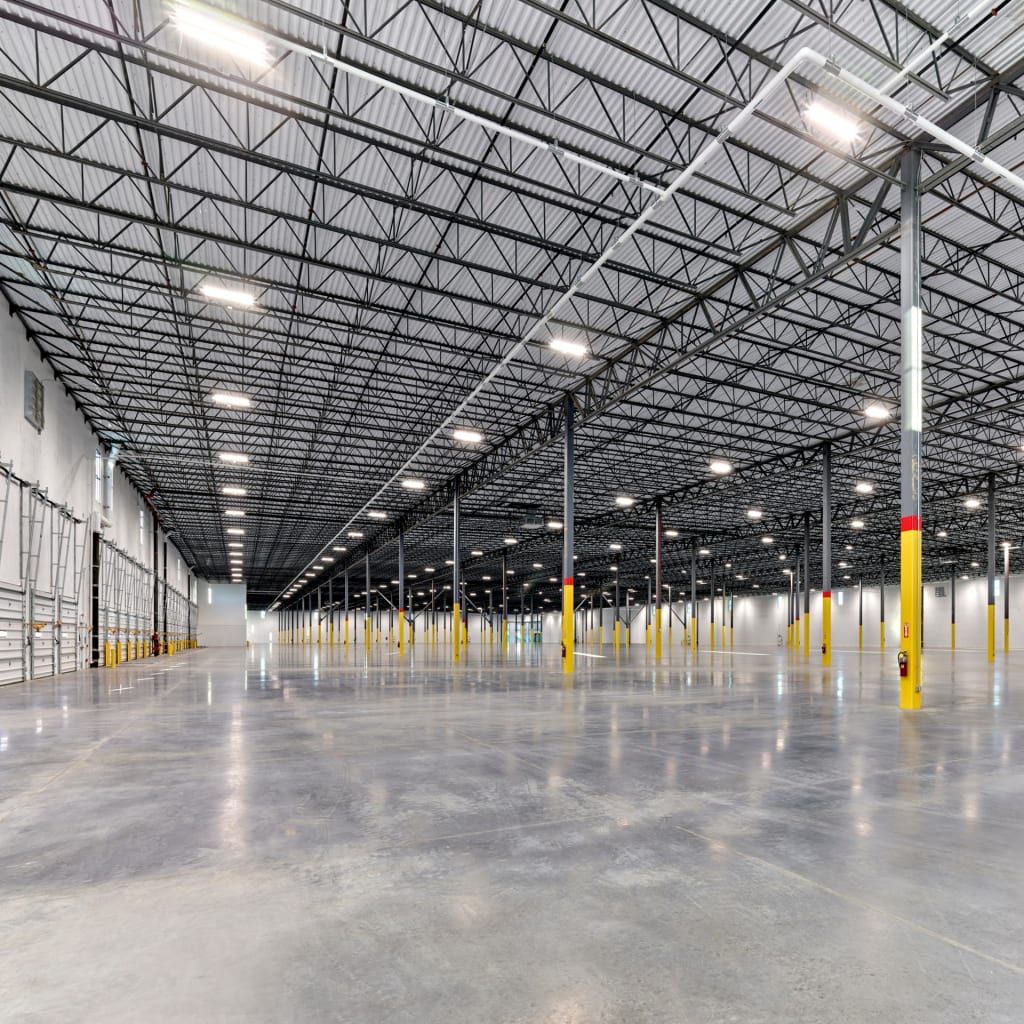
ESFR sprinkler systems, high-capacity electrical infrastructure, and thermal breaks within column footings prepare the buildings for automation, robotics, and future cold-storage conversion
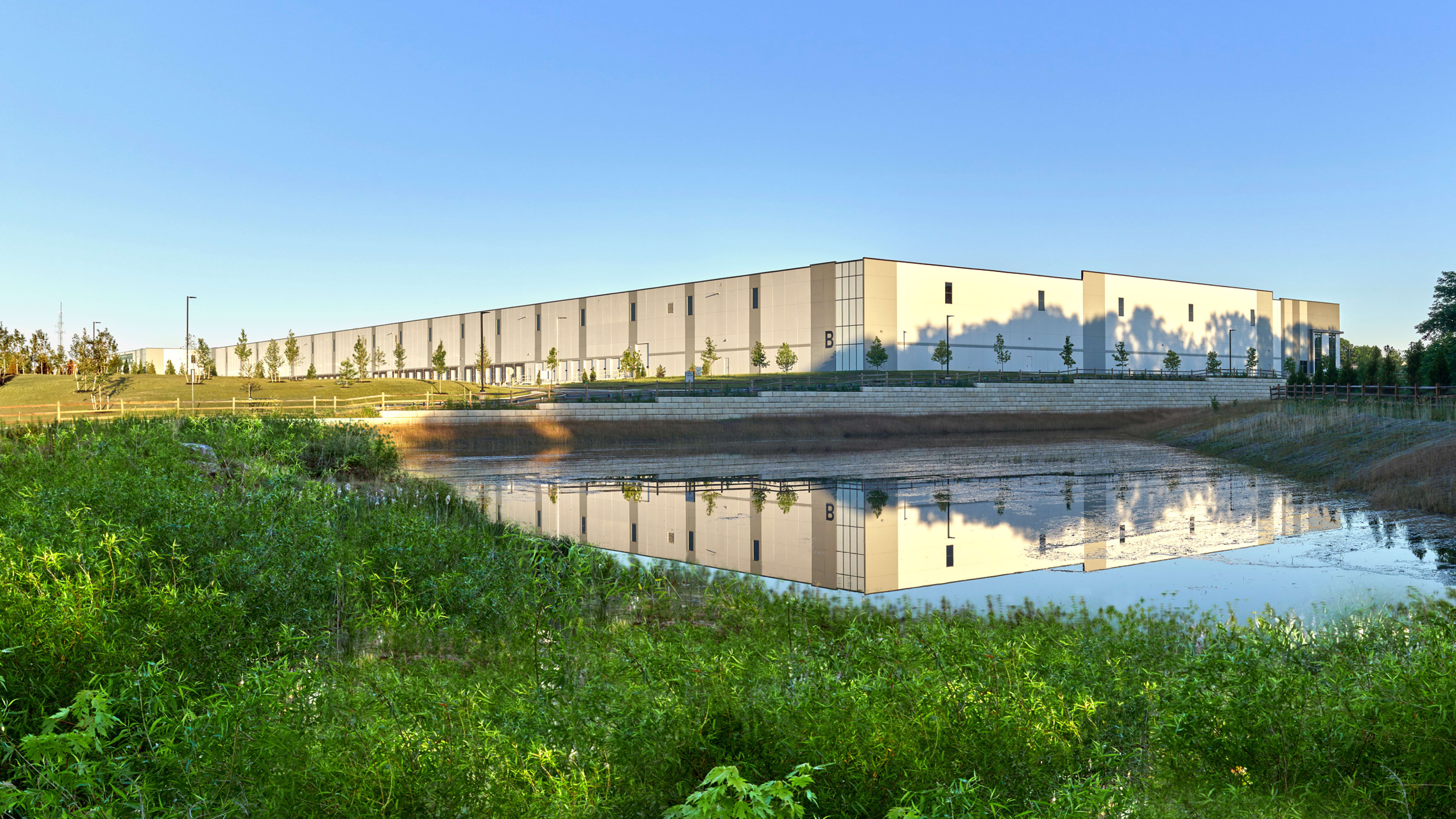
Situated at the urban edge of Northeast Philadelphia, the Rockefeller Group Logistics Center on the Boulevard transforms a 50-acre brownfield site into a modern industrial hub, positioning the area as a competitive center for logistics, advanced manufacturing, and commerce. The development, a partnership between Rockefeller Group and PCCP, introduces two speculative industrial buildings totaling 656,904 square feet, providing flexible Class A industrial space with proximity to major roadways and Philaport that meets growing market demand, is located in a Keystone Opportunity Zone (KOZ) through 2033 and revitalizes the site for long-term regional growth.
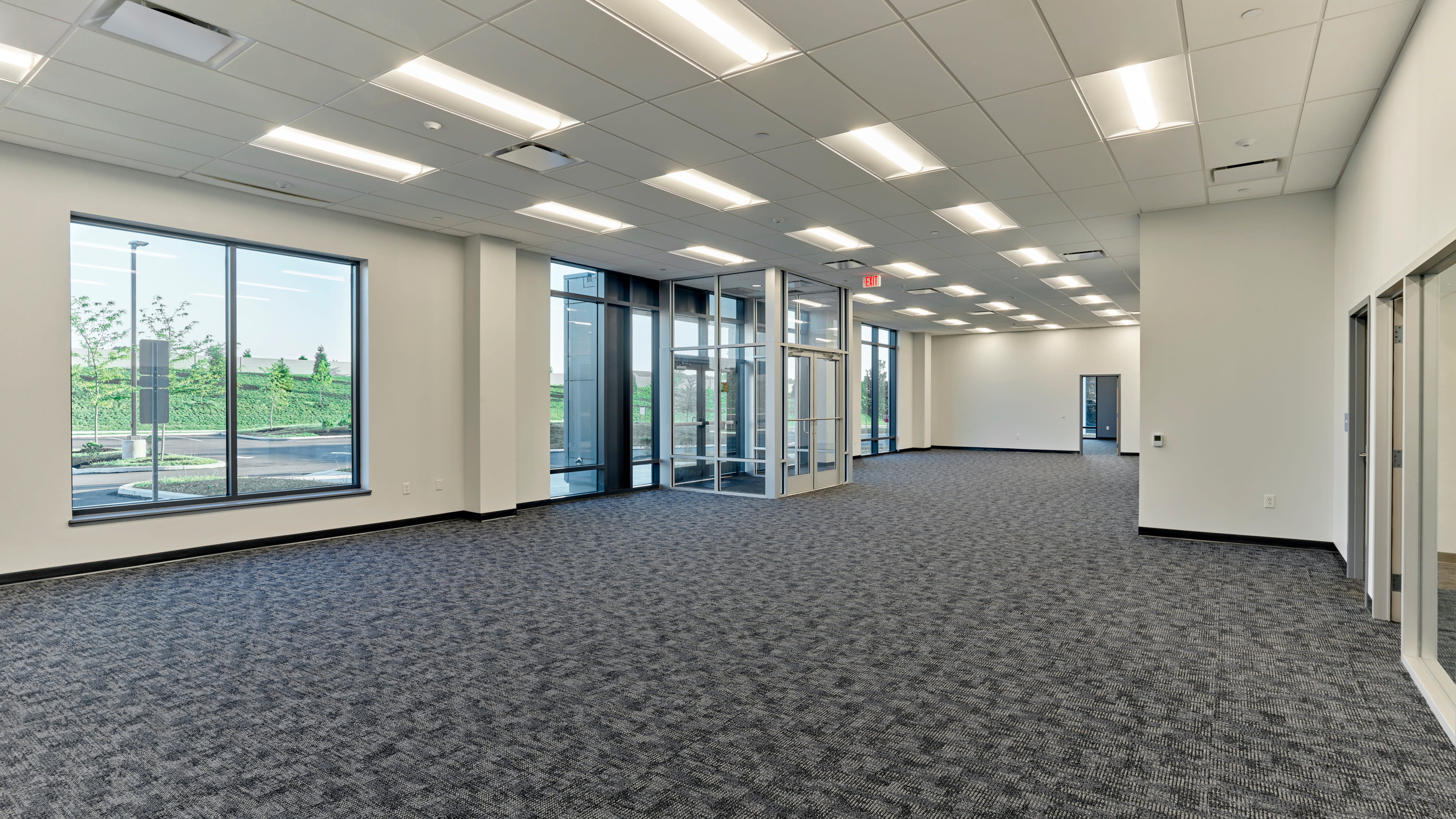
Our integrated architectural and engineering team designed flexible buildings that could accommodate a wide range of tenants—from logistics to advanced manufacturing and cold storage. Each structure features 36-foot clear heights, deep structural bays, and dual drive-in and dock access, supported by surface lots and circulation for trucks, trailers, and cars. Column footings incorporate thermal breaks for simplified cold-storage conversion, while high-performance lighting, ESFR sprinkler systems, and high-capacity electrical infrastructure future-proof the buildings for automation or robotics. Office and ancillary spaces complement the industrial areas, providing adaptable environments for administrative and operational needs. Each building contains a ready-to-move-in office that includes a conference room, breakroom, private offices, an open office area, and restrooms.
The site layout emphasizes a strong visual identity. A central boulevard entrance, framed by the two buildings, establishes a clear sense of arrival, enhanced by illuminated façade panels that glow at night. Landscaped buffers and a six-foot berm separate industrial operations from surrounding residential areas—an outcome of the collaboration with city officials and neighboring communities.
Sustainability measures—including white TPO roofing and the planting of more than 1,500 trees—reduce heat-island effects and re-green the site. As a flexible and responsive logistics center at the city’s northern gateway, the Logistics Center on the Boulevard contributes to regional economic growth and reinforces the city as a competitive hub for commerce and advanced industrial activity.
